.webp?width=1410&height=1531&name=integratori_campionario_0081%20(1).webp)
.webp?width=2000&name=Packstyle_DR2A2561_058(1).webp)



The Innovative Heart of Packstyle
Solutions in Constant Evolution
Research and development at Packstyle never stand still. Sharing our commitment with complete transparency means keeping you constantly updated on new projects and initiatives, because we have always been committed to improving our products and processes through a responsible approach that values people and respects the environment.Innovation is part of our DNA.
Collaborations and Scientific Partners
Packstyle has always relied on qualified partners to collect objective and reliable data. Having a solid scientific foundation, often supported by empirical evidence, is essential for guiding decisions, strategic choices, and innovation with confidence and responsibility.

A spin-off of the University of Padua, Unired has supported us in developing testing protocols to verify packaging-product stability, particularly in the cosmetics and nutraceutical sectors.
S.C.F. International has supported us in comparative LCA analyses of packaging materials, evaluating not only their environmental impact throughout the entire life cycle but also additional key indicators for a comprehensive and multidimensional assessment.

As a leading laboratory for material testing and certification, CSI has simulated mechanical recycling processes to verify and certify the recyclability of our pouches at the end of their life cycle.

In collaboration with the Department of Management Engineering, we have launched a project focused on forecasting analysis for the life cycle of flexible packaging.

Many research projects have been conducted under the supervision of Marco Scatto, an industrial chemist specializing in Polymer Science, who has led the experimental phases and supported data analysis.
Development of New Films
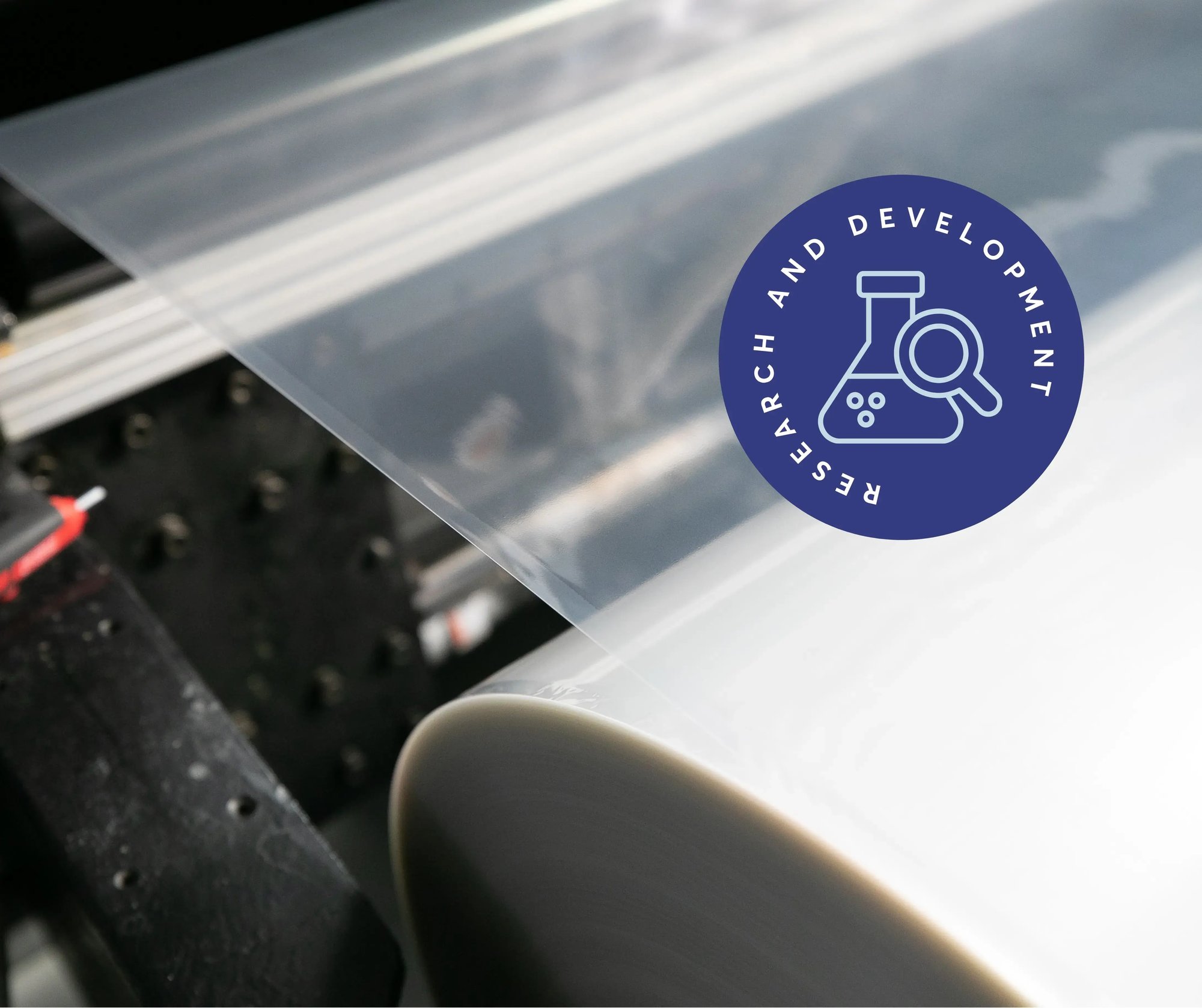
Packstyle continuously invests in the development of innovative packaging films. Our main research areas include:

Designed to ensure materials can be more easily reintroduced into the production cycle.

Developed to provide superior product protection and extend shelf life.
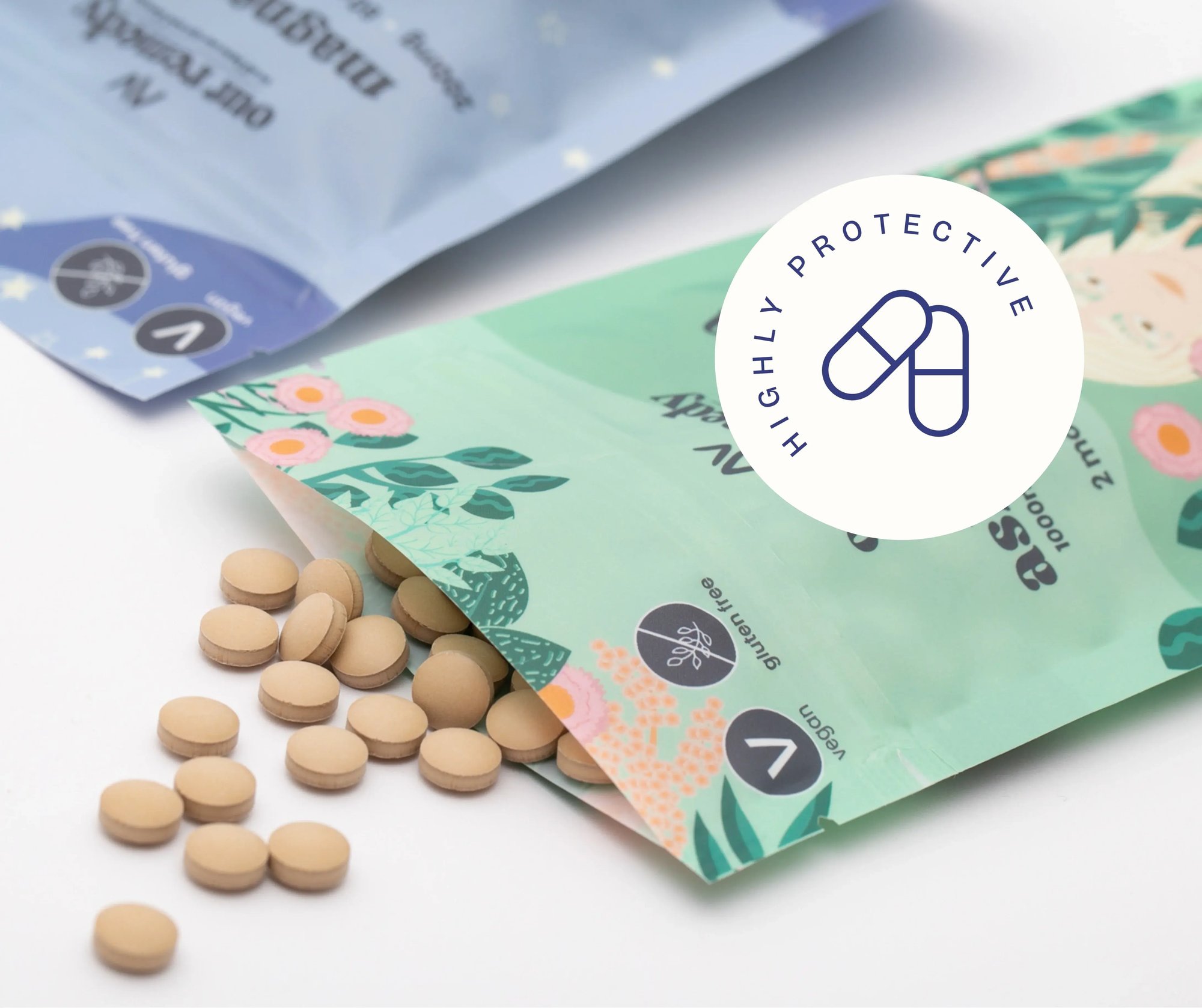
High-Barrier Films for Nutraceuticals
The nutraceutical sector requires packaging capable of protecting sensitive formulations such as powders, capsules, and proteins from moisture, oxygen, and light.
Packstyle develops high-barrier films specifically engineered for food supplements and protein products, preserving their active properties throughout the declared shelf life. Tested materials, multilayer structures, and recyclable mono-material solutions ensure that every design choice is fully documented and focused on real-world performance.
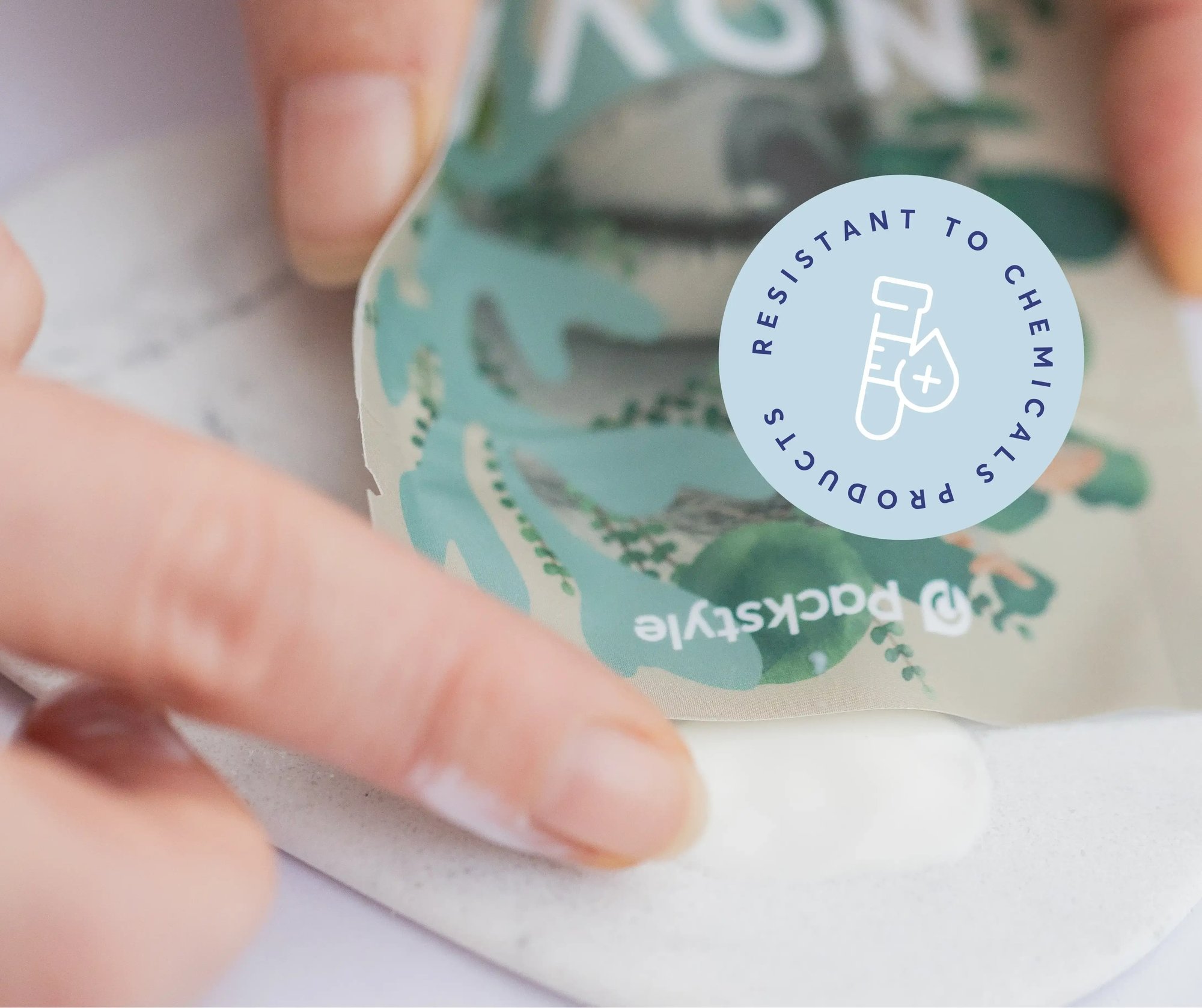
Chemically Resistant Films for Cosmetics
Cosmetic products present specific packaging challenges: active ingredients, fragrances, and high-lipid formulations can compromise material integrity over time.
Packstyle develops films with high chemical resistance, engineered to ensure structural stability and prevent migration even in the presence of aggressive substances. The result is packaging that protects product quality, enhances aesthetic appeal, and meets the growing sustainability expectations of the beauty industry.
Life Cycle Assessment (LCA)
Life Cycle Assessment (LCA) is a scientific methodology that enables the objective and measurable evaluation of a product's environmental impact throughout every stage of its life cycle, from production to disposal.
Based on internationally recognized methodologies and ISO 14040 and ISO 14044 standards, LCA makes it possible to measure and compare the environmental performance of materials and processes, identifying critical areas and opportunities for improvement throughout the packaging life cycle.

To ensure comprehensive and comparable analyses, Packstyle has selected a set of key indicators based on the objectives of each study and the type of product being evaluated. These indicators quantify the most significant environmental impacts, including:
-
Contribution to climate change
-
Photochemical ozone formation
-
Ozone layer depletion
-
Ecosystem acidification
-
Water resource depletion

Although benchmarking against the wider market remains challenging due to the limited availability of comparable LCA studies, this methodology provides a robust and scientifically grounded basis for making more informed and sustainable design decisions.
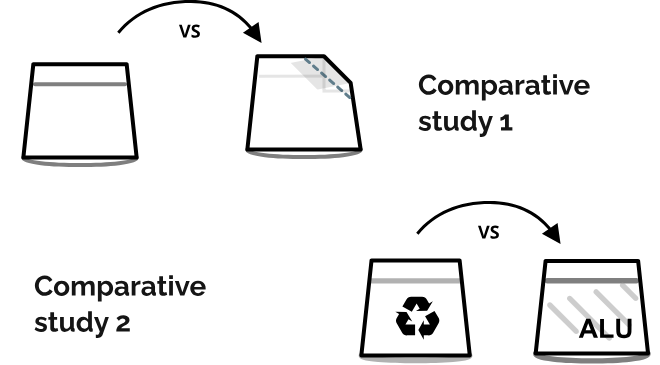
To date, two comparative LCA studies have been completed:
Comparison of mono-material pouches versus multi-material laminated structures
Comparison of recyclable film solutions versus aluminium-based solutions
A third study is already planned to further expand the comparative analysis across different packaging solutions.
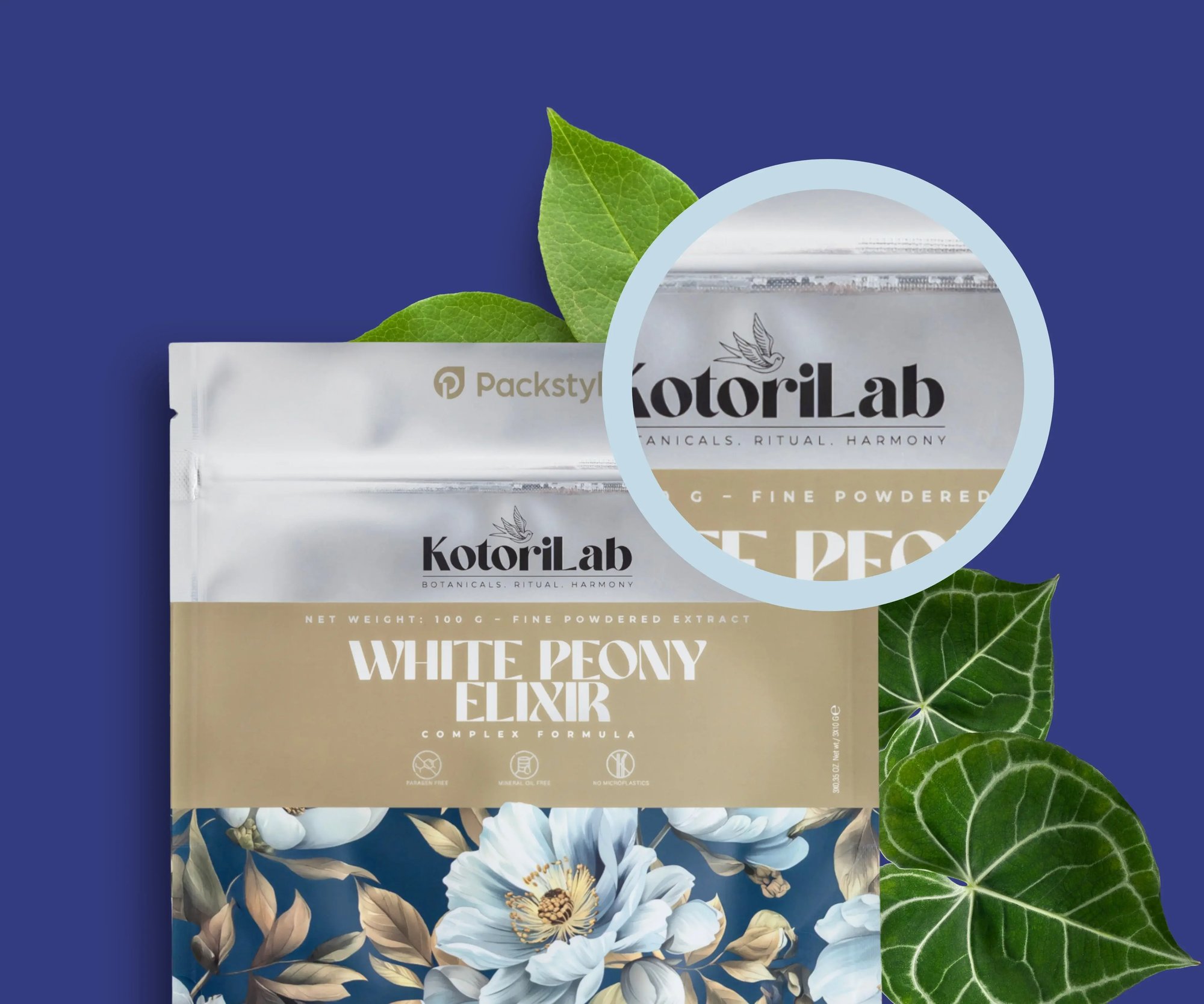
Printing and Inks
Innovation also extends to the printing of our packaging.
-
Packstyle is actively working on:
-
Reduced-PFAS inks to minimize potentially harmful substancesLow-PFAS inks aligned with the requirements of Regulation (EU) 2025/40 to further reduce the presence of potentially harmful substances
-
The promotion of light-coloured inks and graphics that improve material recyclability
Accessible Packaging
We design packaging solutions that are easy to use and easy to recycle, delivering a positive consumer experience without compromising functionality or sustainability.
Our packaging is designed to be intuitive and recycling-friendly, offering an effective and enjoyable user experience while maintaining high functional performance and minimizing environmental impact.